Specialized Orthopedic Surgery
Revision Joint Replacement Miami
When your first joint replacement isn't working as it should, revision surgery can restore your mobility and reduce pain. Dr. Yoav Zvi provides expert revision joint replacement for failed hip and knee implants in Miami.
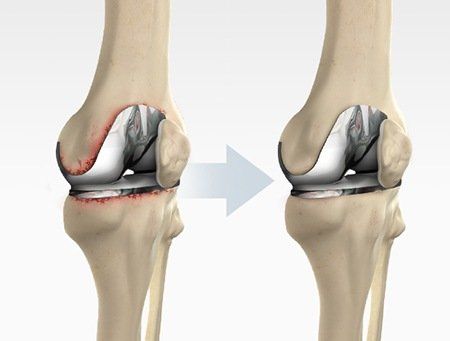
Understanding Revision Surgery
When Joint Replacement
Needs a Second Chance
A revision joint replacement becomes necessary when your original hip or knee implant fails, loosens, or causes ongoing pain. This specialized surgery removes the failed implant and replaces it with new components designed to last longer and function better. Common reasons for revision include implant wear, infection, loosening, or instability that develops years after your first surgery. Dr. Zvi's experience with complex revision cases in Miami means you get targeted care for these challenging situations.
Your Revision Journey
How Revision Joint Replacement
Works
Step 01
Comprehensive Evaluation
Detailed imaging and physical examination to understand exactly why your joint replacement is failing and what revision approach will work best.
Step 02
Surgical Planning
Custom surgical plan based on your specific implant type, bone condition, and revision complexity. We coordinate with your medical team for optimal timing.
Step 03
Pre-Operative Preparation
Medical clearance, infection screening if needed, and detailed discussion of what to expect during recovery from revision surgery.
Step 04
Revision Surgery
Removal of failed components and precise placement of new implant designed for your revised joint anatomy. Surgery typically takes longer than primary replacement.
Step 05
Hospital Recovery
Monitored recovery with pain management and early mobility work. Most patients stay 1-3 days depending on revision complexity and healing progress.
Step 06
Rehabilitation Program
Structured physical therapy focused on regaining strength and mobility. Recovery from revision surgery often takes longer than primary joint replacement.

Expert Orthopedic Care
Dr. Yoav Zvi
Revision Specialist
Revision joint replacement requires specialized expertise in handling complex cases where standard techniques may not apply. Dr. Zvi's experience with failed joint replacements in Miami includes managing bone loss, infection, and implant complications that make revision surgery more challenging than primary replacement. His approach focuses on thorough evaluation to understand why your first surgery isn't working and developing a revision plan that addresses those specific issues.
Specialized training in handling failed hip and knee replacements with bone loss or infection complications.
Access to specialized revision implants designed for challenging anatomy and bone conditions.
Coordinated approach with infectious disease specialists and physical therapists experienced in revision recovery.
Why Choose Revision Surgery
Getting Your
Mobility Back
Pain Relief
Revision surgery addresses the specific cause of your ongoing joint pain, whether from loosening, wear, or infection, giving you a chance at the comfort your first surgery was meant to provide.
Improved Function
Modern revision techniques and implants are designed to restore stability and range of motion, often improving function beyond what you experienced with your failing joint replacement.
Long-Term Solution
Revision surgery using advanced implant technology and surgical techniques is designed to last longer than your original replacement, reducing the likelihood of future problems.
Common Questions
Common Questions About Revision Joint Replacement
Signs include persistent pain that doesn't improve with rest, feeling like your joint is loose or unstable, decreased range of motion, or swelling around your joint replacement. X-rays and examination can confirm if your implant has failed or loosened.
Yes, revision surgery is typically more complex because it involves removing the existing implant and working with changed bone structure. Surgery often takes longer, and recovery may be extended compared to primary joint replacement.
Common causes include implant loosening over time, wear of plastic components, infection around the implant, instability or dislocation, or fracture around the implant. Some failures occur within a few years, while others develop after 10-15 years of normal wear.
Modern revision implants are designed to last 15-20 years or longer, depending on your age, activity level, and bone quality. Advances in implant materials and surgical techniques have improved the longevity of revision procedures significantly.
Still Have Questions?
We're Here to Help
Our team is happy to answer any questions you have about treatments, appointments, and what to expect.
Contact UsNo referral required
Ready to Address Your Failed Joint Replacement?
Get Expert Evaluation for Your Revision Options
Don't continue living with a joint replacement that isn't working. Dr. Zvi can evaluate your situation and explain whether revision surgery is right for you.